
Complete Guide
Vanilla Bean Grades
Grade A is plump and gourmet. Grade B is drier and best for extract. Grade C is for industrial processing. Here is everything you need to pick the right grade.
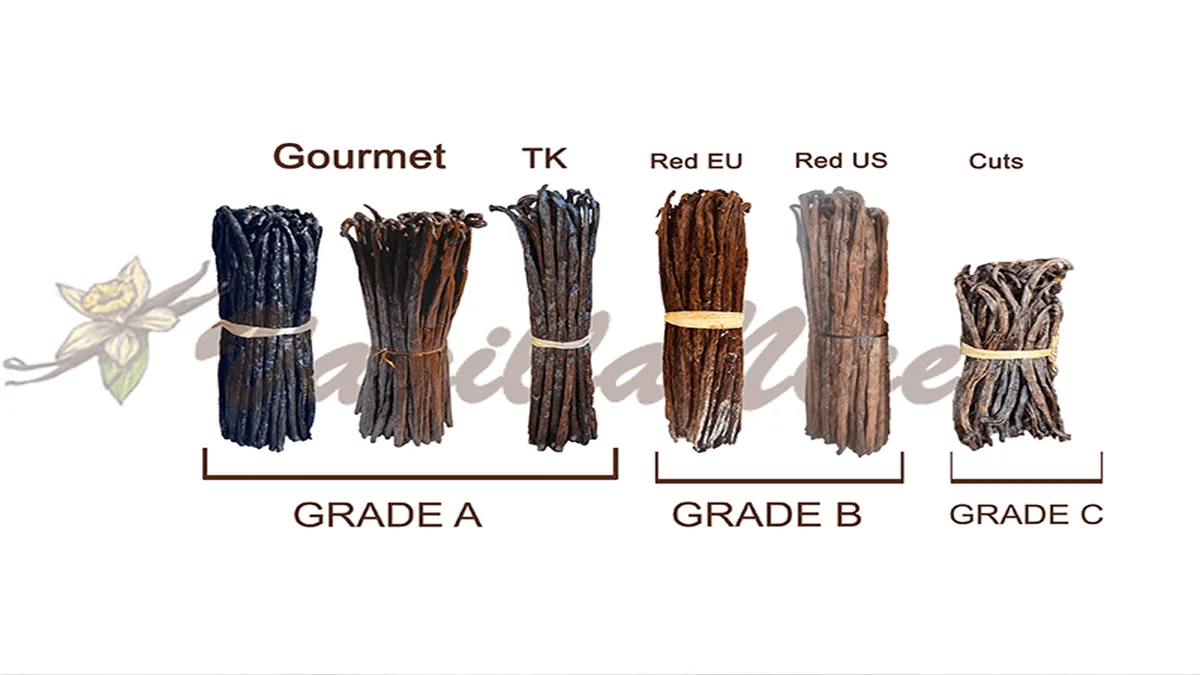
Left to right: Gourmet (Grade A), TK (Grade A), Red EU (Grade B), Red US (Grade B), Cuts (Grade C)
This grading photo is used on the Wikipedia Vanilla article.
Vanilla Bean Grades Chart
Use this table to pick the right grade for your application.
| Grade | Length | Moisture | Vanillin | Best uses |
|---|---|---|---|---|
| Grade AGourmet | > 14 cm | 30–35% | 1–2% | Pastry, ice cream, crème brûlée, gourmet cooking |
| Grade BExtract | 10–14 cm | 18–25% | 1–2% | Pure vanilla extract, infusions, alcohol bases |
| Grade CIndustrial | Any | 12–18% | >0.5% | Industrial extract, oleoresin, vanilla powder |
Quick tip: For homemade vanilla extract, Grade B is usually the best value.
Understanding Each Grade
Grade A
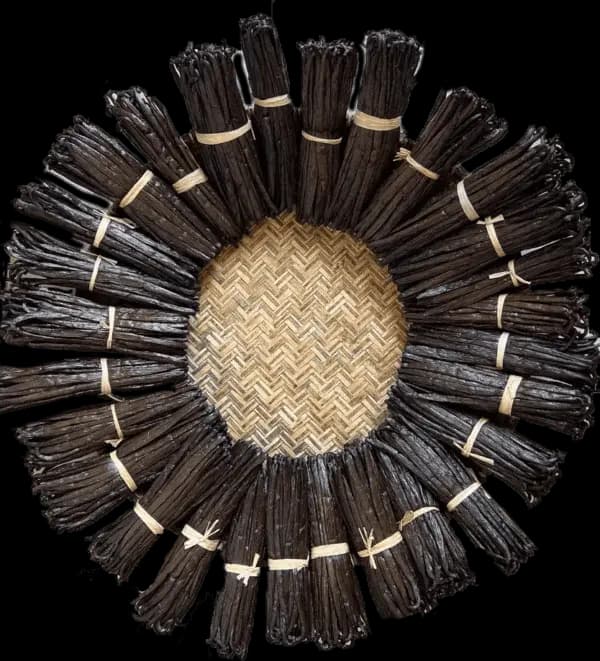
The visual and aromatic gold standard. Plump, oily, long pods — the chef's choice when the bean itself is part of the presentation.
- Moisture
- 30–35%
- Vanillin
- 1–2%
- Appearance
- Whole, black-brown, oily, flexible
Grade B
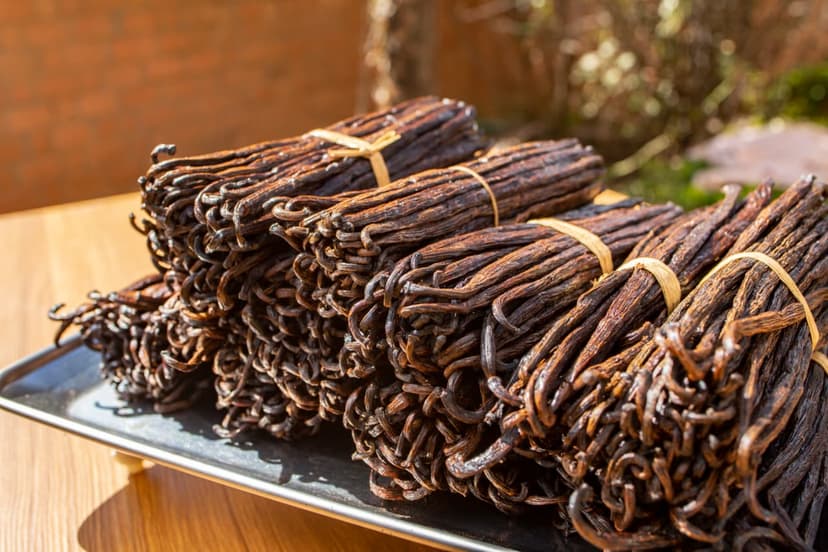
Drier = higher vanillin per gram. Less visually perfect but more aromatic by weight — the professional extract maker's default.
- Moisture
- 18–25%
- Vanillin
- 1–2%
- Appearance
- Split, brownish, drier — fully aromatic
Grade C
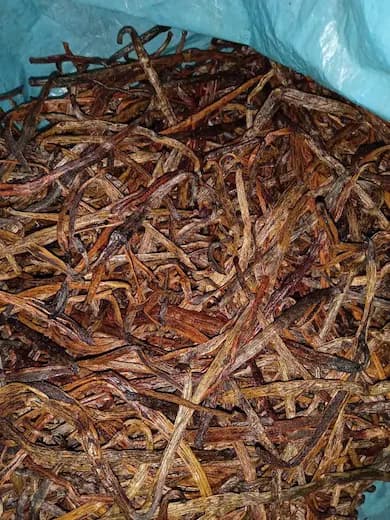
Short cuts and fragments — not for presentation. Best cost-to-yield ratio for large-scale extraction and powder production.
- Moisture
- 12–18%
- Vanillin
- >0.5%
- Appearance
- Cuts, fragments, dry — kitsa grade
Gourmet
Grade A Vanilla Beans
Grade A vanilla beans, also known as gourmet vanilla, are the highest quality beans. They are plump, pliable, and rich in flavour — ideal for high-end desserts such as crème brûlée, panna cotta, and vanilla ice cream.
With a moisture content of 25–35%, these beans are favoured by professional pastry chefs and bakers for their superior taste and versatility.
In Madagascar there are three types of Grade A vanilla: Gourmet (highest moisture, longest pods), TK (most common, well-balanced), and Pompona (Vanilla planifolia × tahitensis, a hybrid — fruity & floral).
Shop Grade A →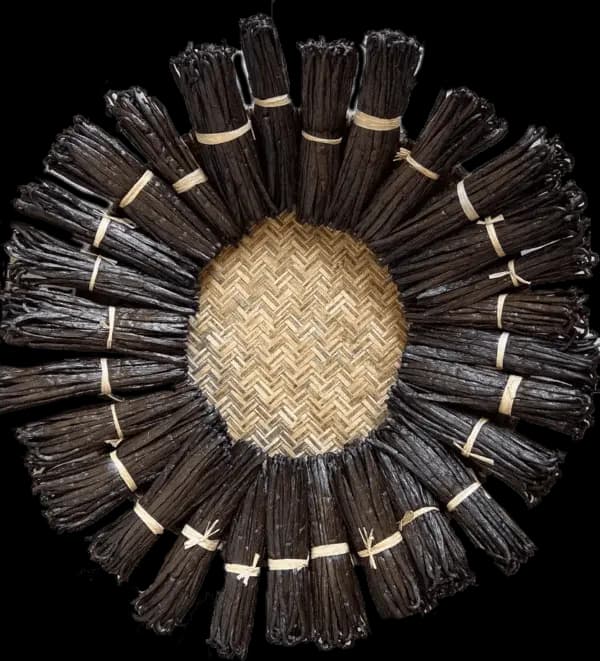
Extract grade
Grade B Vanilla Beans
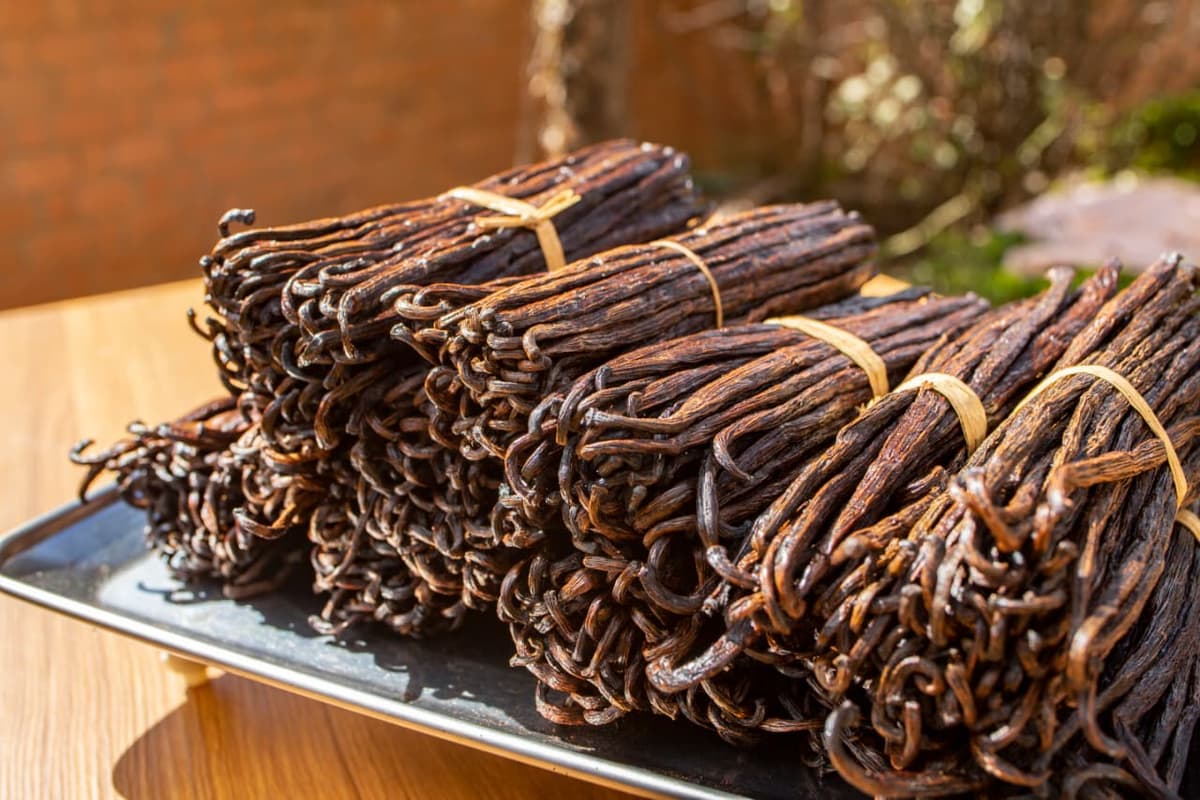
Grade B, or extraction-grade vanilla beans, have a lower moisture content (18–25%). Though not as visually appealing as Grade A, their reddish-brown colour adds a unique character.
These beans are drier, making them ideal for rich vanilla extract due to their high vanillin content. Grade B beans are harder to slice and scrape for caviar, but they yield a stronger, more cost-effective extract.
- →Making rich vanilla extract
- →Infusing into alcoholic bases
- →Infusing into creamy bases — crème anglaise
- →High-quality vanilla powder
Industrial
Grade C Vanilla Beans
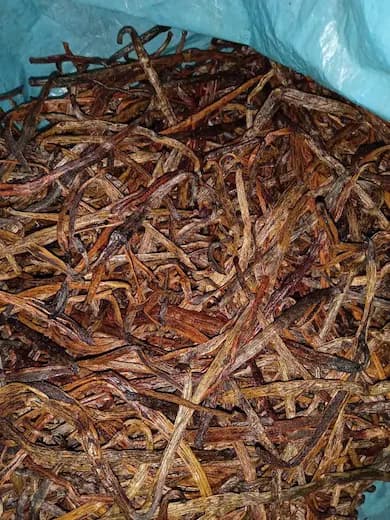
Grade C vanilla beans, often referred to as cuts or kitsa, have the lowest moisture content (12–18%). Shorter and less moist, they are less suitable for applications where the bean's appearance matters.
However, they are highly valuable for the vanilla industry — commonly used to produce lower-cost natural vanilla products at industrial scale.
- →Industrial vanilla extract production
- →Vanilla powder manufacturing
- →Oleoresin and vanilla absolute
- →Agroindustry and perfume industry
Madagascar Vanilla Sub-Grades
A world of flavour and quality — from the highest gourmet to industrial processing.
Gourmet Grade A
- Moisture
- 30–38%
- Vanillin
- 1–2%
- Length
- 16–23 cm
The finest Madagascar vanilla. Whole, oily, black to dark brown. Used by artisan ice cream makers and high-end pastry chefs.
TK Grade A
- Moisture
- 25–30%
- Vanillin
- 1–2%
- Length
- 13–20 cm
Most common Grade A. Well-balanced between moisture and vanillin. Versatile and easier to process into extract.
Red Vanilla (EU Type)
- Moisture
- 18–24%
- Vanillin
- 1–2%
- Length
- 10–18 cm
Softer and flexible. Rich caramel, floral and sweet notes. Favoured for extracts and vanilla derivatives in the European market.
Red Vanilla (US Type)
- Moisture
- 16–20%
- Vanillin
- 1–2%
- Length
- 10–18 cm
Drier and easy to break. Rich, creamy, slightly sweet. Preferred for high-quality powder and premium extract production in the US market.
Unclassified Bean Types
Shorts
Naturally small (< 14 cm), same flavour as longer beans, affordable.
Splits
Beans that split during curing, intact flavour, lower cost due to appearance.
Cuts
Irregular size and shape, same flavour profile, cheaper due to visual imperfections.
Frosted (Givrée)
Develops natural vanillin crystals on the surface. High vanillin content — a premium type.
How to Identify Quality Vanilla Beans
Moisture Content
Grade A beans are moist and flavorful (25–35%). Grades B and C are progressively drier. According to FDA § 169.3, vanilla beans are defined as properly cured and dried Vanilla planifolia or Vanilla tahitensis fruit pods.
Vanillin Content
Vanillin is the primary flavor compound, supported by p-hydroxybenzaldehyde and vanillic acid. Natural vanilla's complex flavor is far superior to synthetic vanillin — which is only one compound.
Size & Length
Most flavour is concentrated in the lower two-thirds of the pod. High-quality beans range from 14 to 23 cm. Grade A must be at least 14 cm.
Colour
Top-quality beans range from medium brown to black. Excessively black beans may indicate artificial oiling. Light brown beans are often too dry.
Oiliness
Some oiliness indicates rich flavour. However, excessive oil can suggest artificial treatments. Good beans feel supple and slightly slick.
Aroma
A strong, sweet, and intricate aroma is the best indicator of quality. The scent should be immediate and complex — not flat or thin.
Frequently Asked Questions
What is the main difference between Grade A and Grade B vanilla beans?
Grade A beans have higher moisture (30–35%) and are ideal for culinary uses where appearance and intense flavour matter. Grade B beans have lower moisture (18–25%), giving them a higher vanillin concentration per gram — making them the best value for extract, paste, or powder.
Which grade should I use for homemade vanilla extract?
Grade B is the standard choice. Lower moisture = more beans per pound = stronger extract. Grade A works too but is less efficient per dollar.
What are kitsa vanilla cuts (Grade C)?
Kitsa is the Malagasy term for cut and broken pieces — shorter lengths, split pods, and fragments that don't qualify for Grade A or B. They contain the same vanillin as premium grades and are the standard raw material for industrial vanilla extract, powder, and oleoresin production.
Can I use Grade B vanilla beans for cooking?
Yes, but Grade A is generally preferred when the bean's appearance matters (visible seeds in a dish, whole pod infusion on a plate). Grade B is excellent for any cooked application where you're scraping the seeds or steeping — custards, sauces, ice cream bases.
What is the highest grade vanilla bean?
Gourmet Grade A — the top tier of Grade A — characterized by moisture 30–38%, length 16–23 cm, and vanillin 1–2%. These are the beans used by Michelin-starred pastry chefs.
How should I store different grades of vanilla beans?
All grades: cool, dark place, airtight container, room temperature (15–25°C). Never refrigerate — condensation causes mould. Grade A is the most sensitive due to its high moisture. See our storage guide for detailed tips.
Shop Madagascar Vanilla by Grade
All grades sourced directly from the SAVA region. Export documents available. DHL Express worldwide.